Crawl Space Encapsulation: Seal, Drain and Dry the Space
Crawl space encapsulation seals the space under a house from ground moisture. A thick vapour barrier covers the floor and runs up the walls, seams are taped, vents are closed, and water is dealt with by drainage and a dehumidifier or a controlled bit of conditioned air. The aim is a dry, stable space that no longer sends damp air up into the house.
Describe the job and add your city. Free to request, no obligation.
Damp air under the floor does real damage: wood rot, sagging floors, rust on ducts and pipes, and musty smells that rise through the rooms. Open vents often make it worse in humid weather, when warm moist air meets cool surfaces and condenses. Sealing the space removes the moisture source instead of trying to ventilate it away.
Encapsulation is about moisture, not about heat or cleanup. Insulating the walls and removing mould are different jobs with their own methods, and standing water or a leaking pipe has to be dealt with first so the barrier is not hiding the cause.
What the work includes
- Inspecting the space for standing water, leaks, rot, pests and drainage issues
- Clearing debris and levelling the ground enough to lay the barrier
- Installing a heavy reinforced polyethylene liner over the floor
- Running the liner up the walls and sealing it to the foundation
- Taping and sealing every seam, pier and penetration
- Closing off foundation vents with proper covers
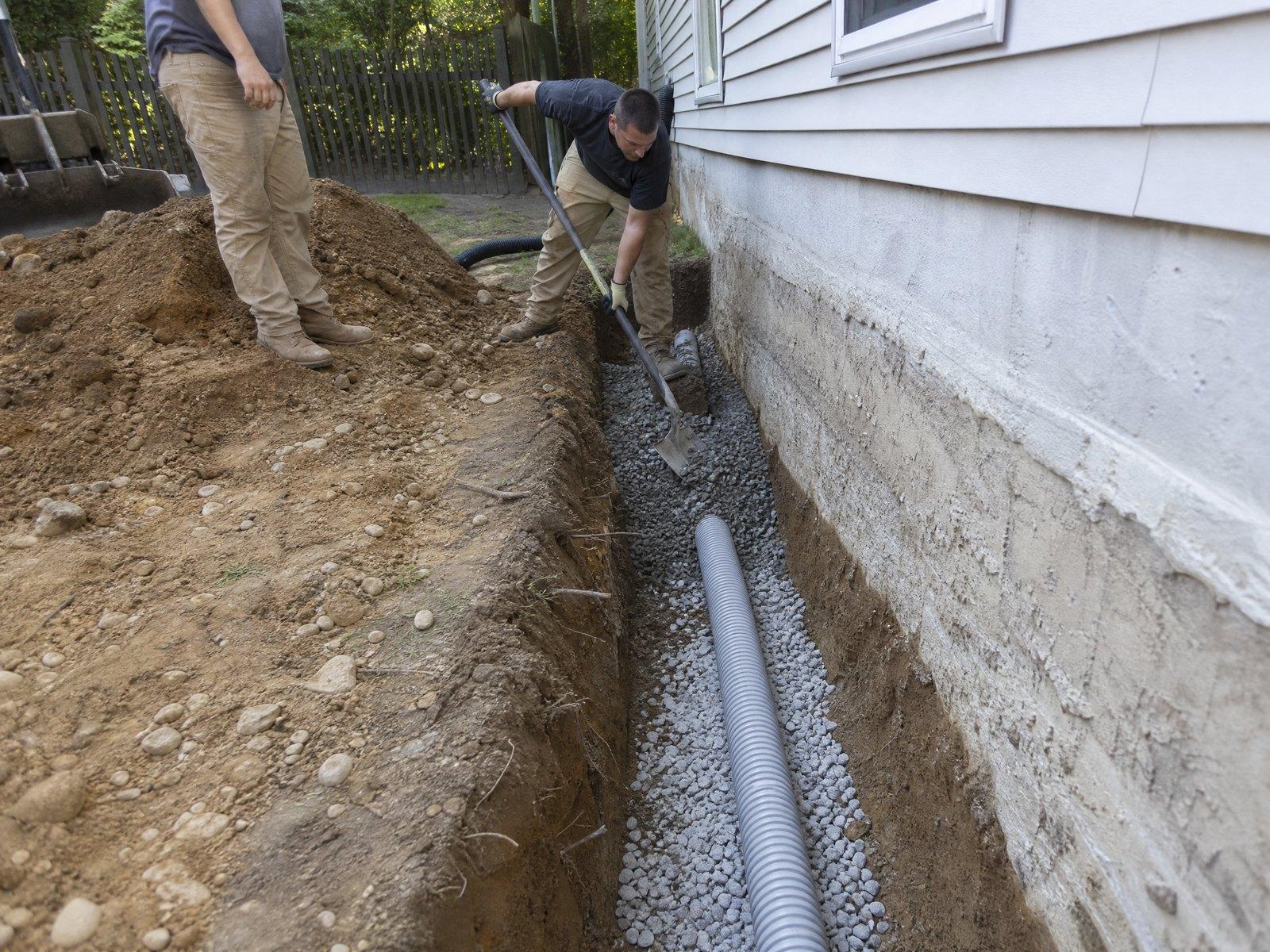
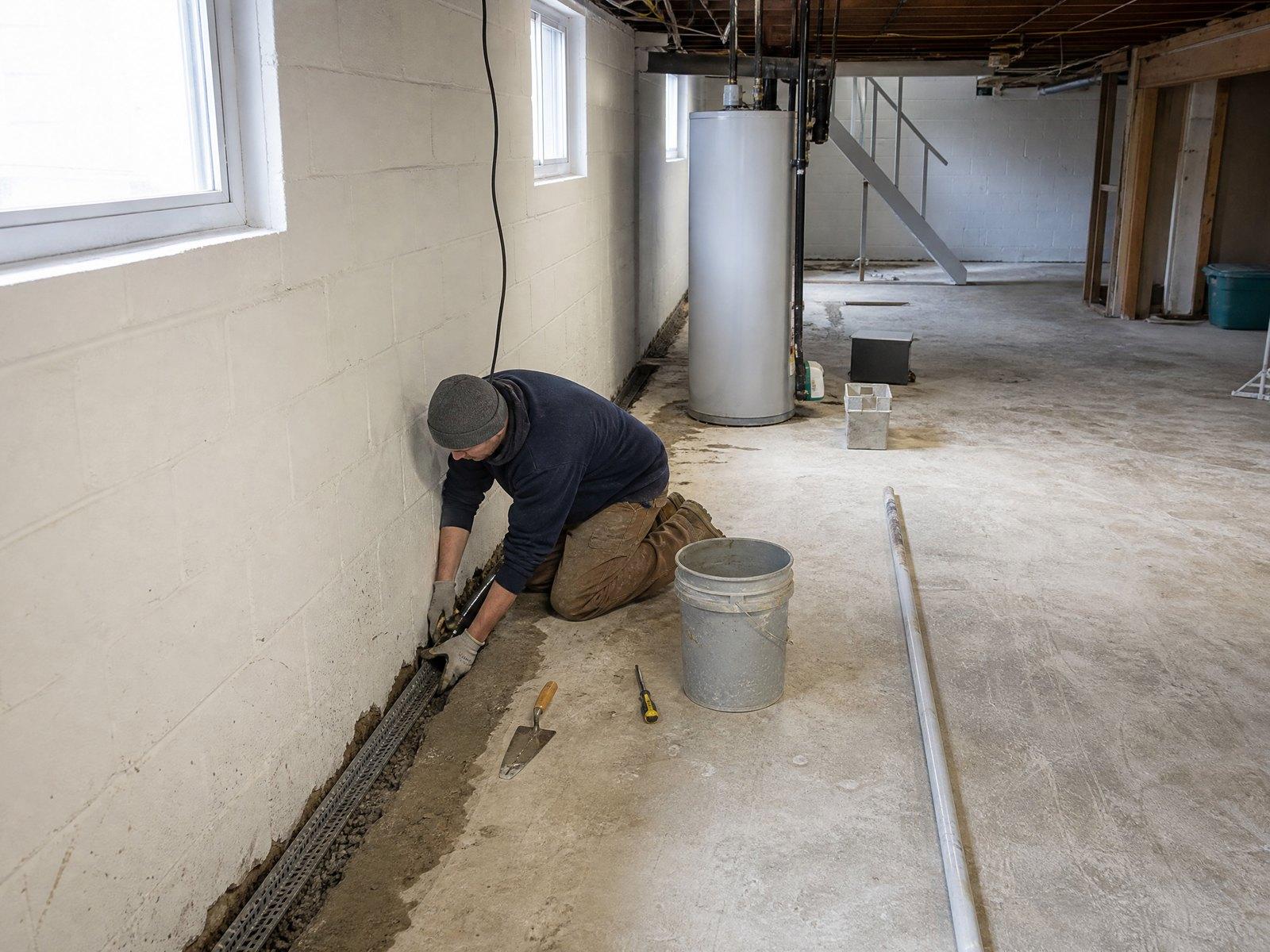
- Installing drainage or a sump pump where water collects
- Fitting a dehumidifier sized to the space, with a drain or pump for condensate
Signs a crawl space needs moisture control
A musty smell rises through floor registers or in the rooms above
Floors feel soft, spongy or cold, and the wood beneath looks dark or damp
Standing water or wet soil after rain
Condensation on pipes, ducts or the underside of the floor
Wood rot, rust or white fuzzy growth on joists and nails
Insects, rodents or other pests make their home in the damp space
How the work goes, step by step
Describe the space
Mention odours, damp, standing water, access size and any past moisture work.
Inspect the crawl space
A local specialist checks for water sources, rot, vents and pests, and measures the space.
Plan moisture control
Drainage, liner, sealing and dehumidification are set out for the conditions found.
Written quote
The quote lists materials, thickness, drainage, equipment, access prep and cleanup.
Seal and test
The liner goes in, seams and vents are sealed, equipment is started and humidity is checked.
What changes the price
- Size of the crawl space
- Floor and wall area determine how much liner and labour the job needs.
- Access and headroom
- Tight spaces force slow work and sometimes need extra digging.
- Ground condition
- Rough, rocky or soft ground takes more preparation.
- Water control
- Drains, sump pits and pumps add to the scope when water collects.
- Dehumidifier
- The unit, its drain line and electrical connection add to the price.
- Repairs found
- Damaged joists, leaking pipes or rot are separate work.
What a good quote spells out
- Thickness and type of the vapour barrier, and how seams and walls are sealed
- How standing water is handled, and where it is pumped
- The dehumidifier size, and where condensate drains
- What happens to existing insulation and vents, and who deals with rot or mould if found
- Warranty terms and maintenance requirements, in writing
Crawl Space Encapsulation: questions people ask
What is crawl space encapsulation?
It is a sealed liner over the ground and walls, with closed vents and humidity control. It keeps ground moisture from entering the air under the house.
Does encapsulation fix mould?
It reduces the moisture mould needs, but existing growth has to be cleaned separately. Encapsulation and mould work are different jobs.
Is a dehumidifier still needed?
Often yes, because even a sealed space can gain humidity. The unit is sized to the volume and drains outdoors or to a pump.
Is a sealed crawl space safe with gas appliances?
A space with a furnace or water heater needs air for combustion and venting. A proper plan covers it, and local code applies.
Will encapsulation stop floods?
No. It controls moisture and humidity, and drains collect seepage, but a flood needs proper drainage or grading to keep water out.
Other Tidivex services
Cracks, Water or Movement? Get It Looked At.
Fill out the quote form with your city and what you are seeing. A local specialist follows up to book an assessment and give you a written quote. Free to request, no obligation.
Request a free quote →