Weeping Tile and French Drain Replacement Around the House
Weeping tile is the perforated pipe that runs along the footing of a foundation and collects groundwater so it does not press against the wall or rise through the floor. Over time, old clay tile cracks, early plastic pipe collapses, and silt, roots and rust fill the holes. Some older houses never had any. Replacement lays new perforated pipe in clean stone, wrapped in filter fabric, and connects it to a sump or an approved outlet.
Describe the job and add your city. Free to request, no obligation.
A camera inspection is the starting point. A small camera pushed through the pipe shows whether it is whole, silted or crushed, and whether it drains to somewhere sensible. That tells you if a flush will do or if digging is needed.
French drains in the yard are a related fix. A trench with perforated pipe and stone collects surface and shallow groundwater and sends it toward a safe outlet. They suit soggy areas and slopes that send water toward the house, and they work alongside the footing drain, not instead of it.
What the work includes
- Camera inspection of the existing pipe, with notes on blockages and damage
- Flushing or jetting where the pipe is intact but silted
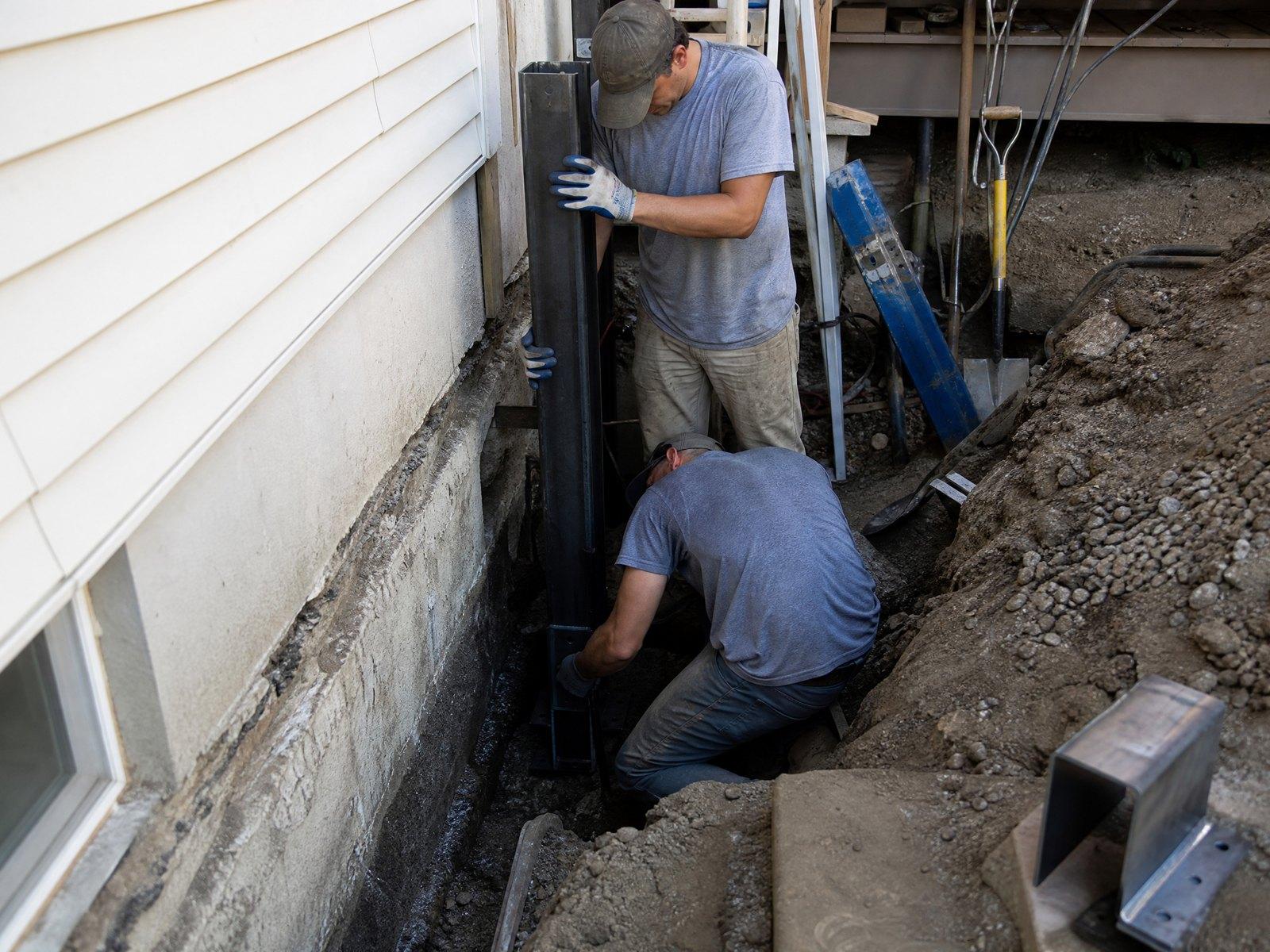
- Excavating down to the footing where replacement is needed
- Removing the old tile and cleaning the footing
- Laying new perforated pipe at the correct slope, wrapped in filter fabric and surrounded by clean stone
- Connecting the drain to a sump pit, a storm line or a daylight outlet that is allowed locally
- Installing cleanouts so the pipe can be flushed in future
- Backfilling and restoring the area
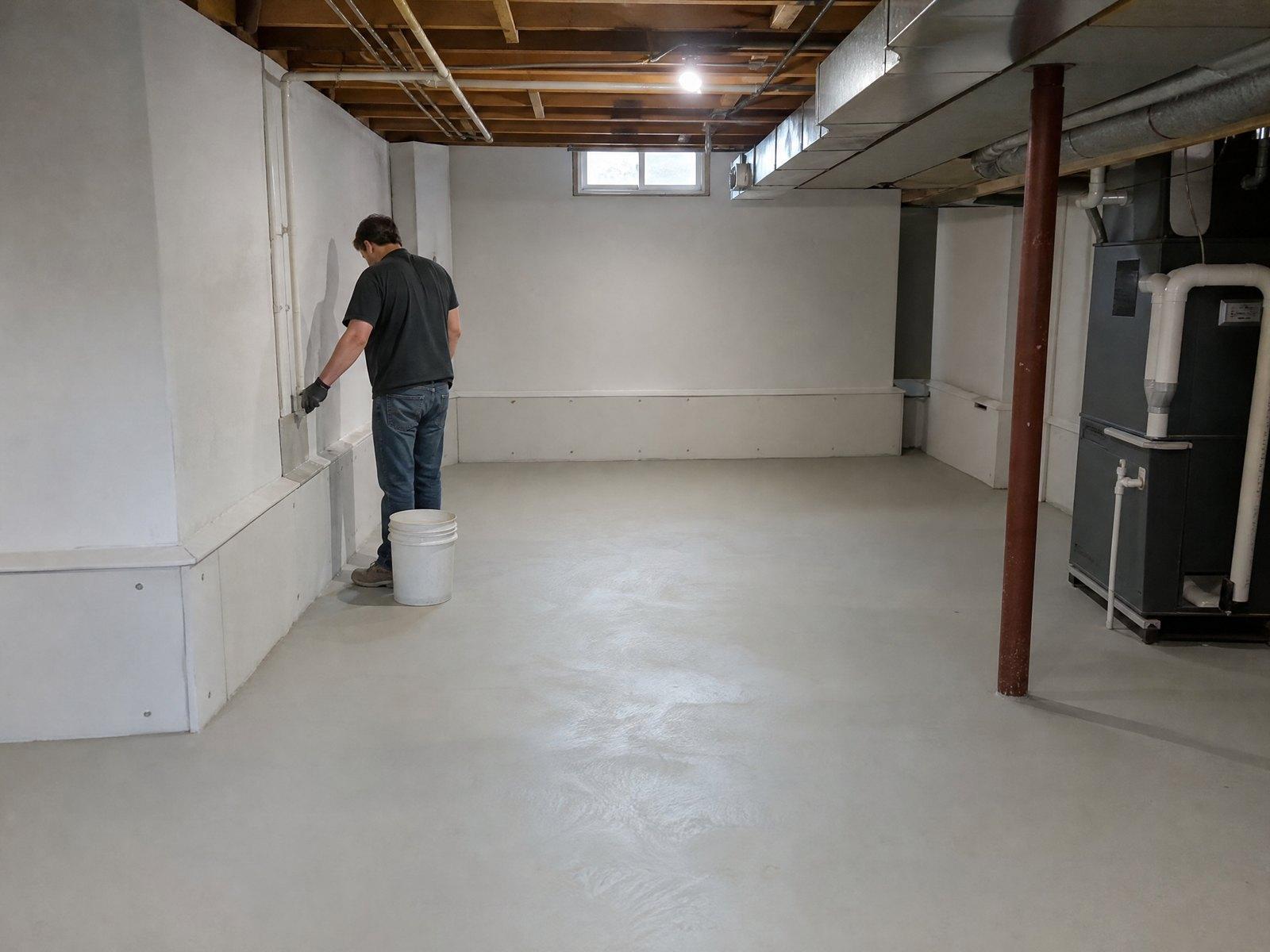
Signs the footing drain may have failed
Water appears at the floor-wall joint after heavy rain or thaw
A sump pit fills quickly or never empties as it used to
The basement smells damp even without visible water
The yard stays soggy near the foundation or at the lowest part of the lot
A camera check shows crushed, silted or missing pipe
Past interior fixes have not stopped water returning
How the work goes, step by step
Describe the symptoms
Share where water appears, whether a sump exists and the age of the house.
Camera check
A local specialist inspects the drain and decides between flushing, spot repair and replacement.
Plan the route
The excavation, outlet and restoration are set out, including permits.
Written quote
You receive the footage to be replaced, the materials, the outlet, restoration and warranty terms.
Dig, lay and backfill
New pipe goes in with stone and fabric, is tested and the trench is closed and finished.
What changes the price
- Length of drain
- The linear footage replaced is the main driver, and it can be the full perimeter or a section.
- Depth
- Deeper footings need more digging, shoring and time.
- Obstructions
- Decks, patios, trees and utilities add to labour and restoration.
- Soil
- Heavy clay, rock and groundwater slow excavation.
- Outlet
- A connection to a sump, storm line or distant outlet affects pipe, trenching and permits.
- Restoration
- Landscaping, hard surfaces and fences are often a separate line.
What a good quote spells out
- What the camera inspection found, with footage or photos
- The length of drain being replaced and where it connects
- The pipe, stone and filter fabric used, and the slope of the pipe
- Whether cleanouts are installed so the drain can be maintained
- What is restored on the surface, and warranty terms in writing
French Drain & Weeping Tile Replacement: questions people ask
How can you tell if weeping tile is clogged?
Water coming in at the base of the wall, a sump pit that behaves strangely and a camera check showing silt or breaks are the main signs.
Can weeping tile be flushed instead of replaced?
Sometimes. If the pipe is whole and just silted, jetting may restore flow. Crushed or collapsed pipe has to be dug out.
What is the difference between weeping tile and a French drain?
Weeping tile runs at the footing, collecting groundwater next to the foundation. A French drain is a trench in the yard that collects surface and shallow water.
Where does the water go after replacement?
To a sump pit with a pump, a storm sewer where allowed or a daylight outlet on a slope. Local rules decide what is permitted.
How long do new drains last?
Modern perforated plastic pipe in clean stone with fabric lasts for many years when installed correctly, though silt and roots can still clog it, which is why cleanouts help.
Other Tidivex services
Cracks, Water or Movement? Get It Looked At.
Fill out the quote form with your city and what you are seeing. A local specialist follows up to book an assessment and give you a written quote. Free to request, no obligation.
Request a free quote →