Foundation Crack Repair: Seal the Crack, Then Find the Cause
Foundation crack repair means closing a crack in a concrete or block wall so water stays out and, where needed, the wall regains strength. In a poured wall the usual method is injection from inside: the crack is capped, then epoxy or polyurethane is pumped in until it fills the full thickness of the wall.
Describe the job and add your city. Free to request, no obligation.
Not every crack is a problem. Thin vertical cracks from concrete shrinking as it cured are common and often just need sealing against leaks. Cracks that run horizontally, zigzag along mortar joints in a block wall, widen over time or sit higher on one side than the other point to movement, and sealing them without finding the cause only buys a season.
That is why the first step is a look at the whole picture: where the crack sits, how wide it is, whether it has changed and what the ground and drainage around it are doing. The repair method follows from the answer.
What the work includes
- Mapping the cracks and noting width, direction and any offset between the two sides
- Cleaning the crack and fitting injection ports along its length
- Capping the surface with a fast-setting paste so injected material stays in
- Injecting epoxy for structural cracks or flexible polyurethane for leaking, moving cracks
- Removing the ports and finishing the surface flush
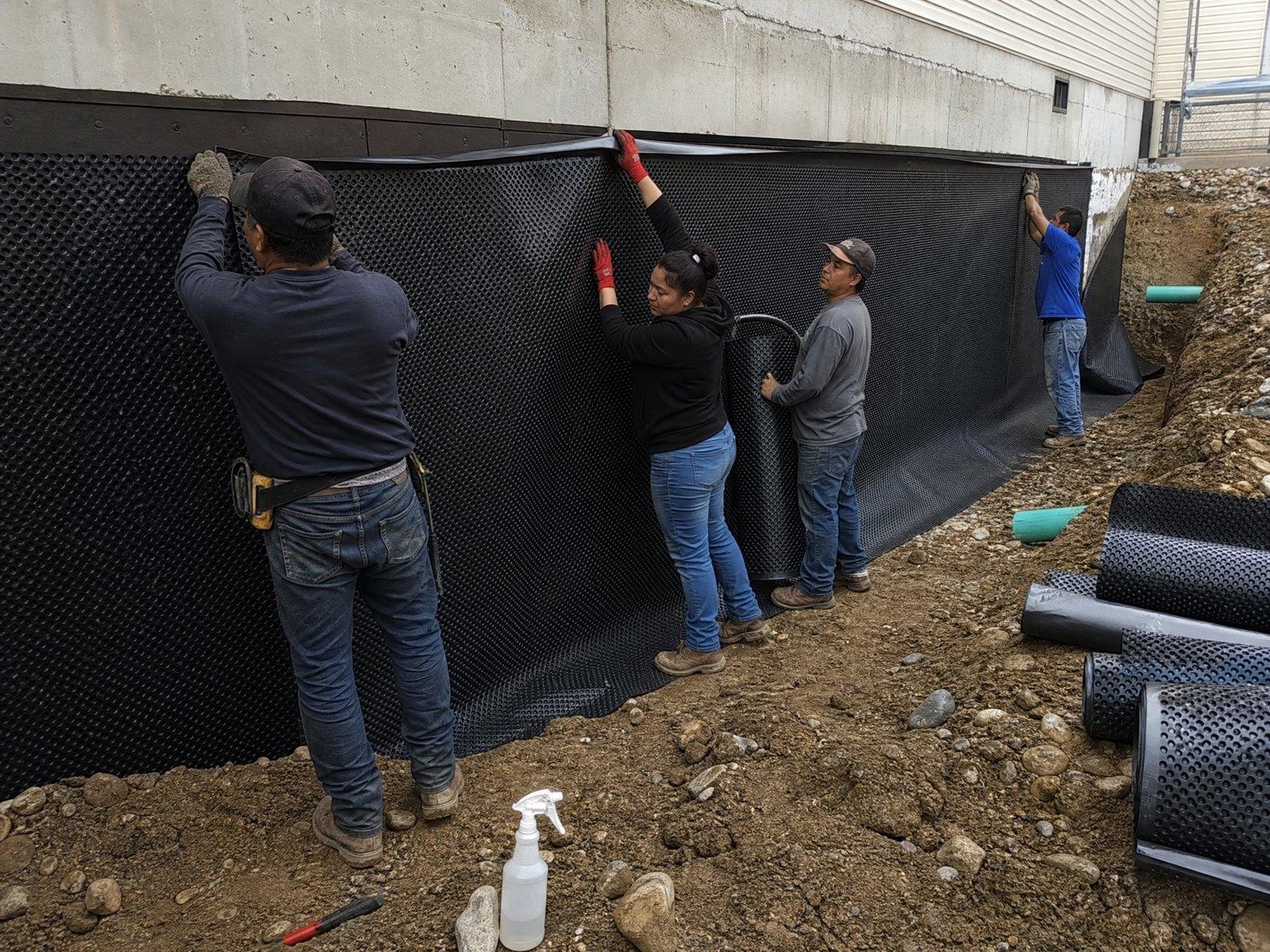
- Exterior excavation and membrane work where inside access is not enough
- Treating mortar joints and holes in block walls with the right filler or grout
- Photos of the cracks before and after for your records
Signs a crack needs repair
Water seeps or drips from a crack after rain or snowmelt
A crack has grown wider or longer since you first saw it
A horizontal crack runs across the wall, often about halfway up
A stair-step crack follows the mortar joints in a block wall
The two sides of the crack are no longer flush
Doors or windows upstairs stick or have gaps that were not there before
How the work goes, step by step
Describe the crack
Tell us where it is, how wide, whether it leaks, and whether it has changed. Photos with a coin for scale help.
Inspect inside and out
A local specialist checks the crack pattern, grading, downspouts and any signs of movement upstairs.
Diagnose
The cause is named, and the specialist says whether sealing alone is enough or movement needs attention first.
Written quote
You receive the method, the material, the number of cracks and what is done outside, if anything.
Repair and check
Cracks are injected or sealed, and you are shown the result and what to watch for over the next seasons.
What changes the price
- Length and number of cracks
- Each crack needs ports, sealing and injection, so several cracks cost more than one.
- Material
- Epoxy restores strength and polyurethane suits leaking cracks that may still move. They are priced differently.
- Wall type
- Poured concrete takes injection well, and block walls can need grouting or other methods.
- Inside or outside access
- Interior injection is quicker. Exterior sealing needs digging down to the footing.
- Finished walls
- A crack hidden behind drywall means opening and rebuilding the wall.
- Cause of the crack
- If settlement or poor drainage is behind it, the repair of the cause is a separate cost.
What a good quote spells out
- The cause of each crack stated plainly, not only the method used to close it
- Whether epoxy or polyurethane is used, and why that one suits the crack
- How the repair deals with movement if the crack is still active
- Whether the work is from inside, outside or both, and what is restored after
- Warranty terms on the repair, in writing before work starts
Foundation Crack Repair: questions people ask
Is a crack in a foundation wall serious?
Many are not. Thin vertical cracks from shrinkage are common. Horizontal cracks, stair-step cracks in block, widening cracks and offsets deserve an assessment.
Should a foundation crack be fixed from inside or outside?
Interior injection is faster and costs less, and works for most poured walls. Exterior sealing with a membrane is used when the whole wall is to be waterproofed or when inside access is limited.
How long does crack injection take?
A single accessible crack is often done in a few hours. Several cracks, finished walls or exterior work take longer.
Will the crack come back after injection?
If the cause is shrinkage, repairs usually hold. If the wall is still moving because of settlement or soil pressure, new cracks can open nearby, so the cause matters more than the patch.
Can cracks be repaired in winter?
Interior injection can be done in cold weather in a heated basement, though materials work best within certain temperatures. Exterior work depends on frozen ground.
Other Tidivex services
Cracks, Water or Movement? Get It Looked At.
Fill out the quote form with your city and what you are seeing. A local specialist follows up to book an assessment and give you a written quote. Free to request, no obligation.
Request a free quote →